
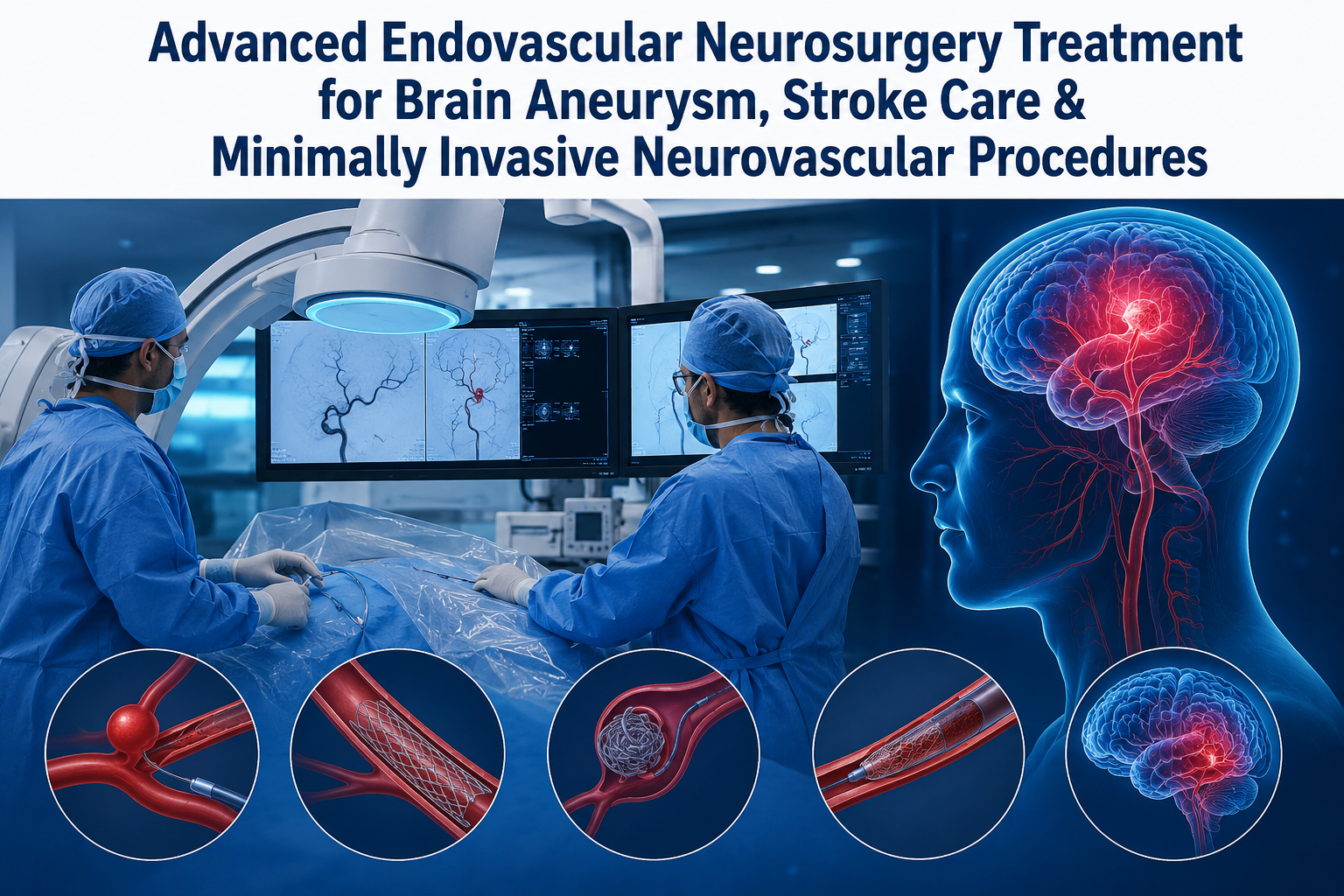
Advanced Endovascular Neurosurgery Treatment for Brain Aneurysm, Stroke Care & Minimally Invasive Neurovascular Procedures
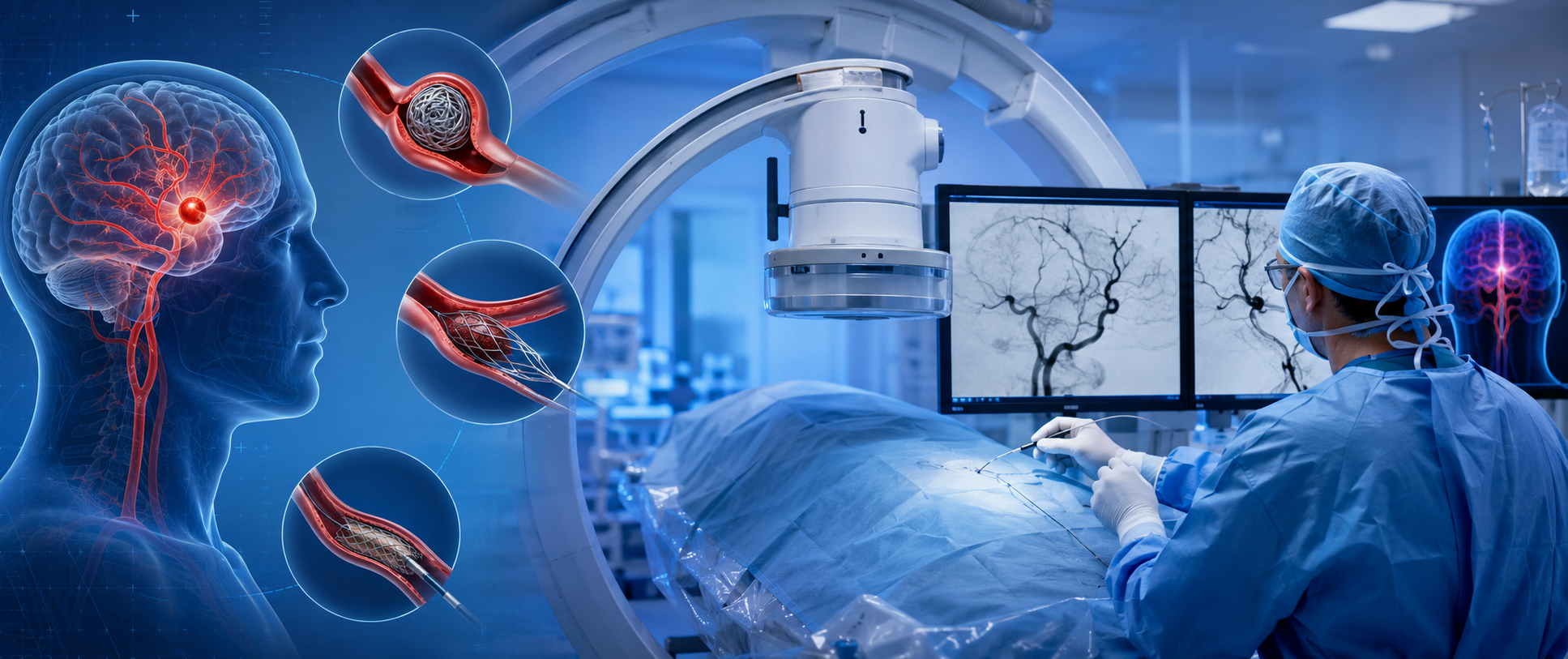
Endovascular Neurosurgery is one of the most advanced and highly specialized minimally invasive brain and spine treatment procedures designed to diagnose and treat complex neurological and neurovascular conditions without the need for large open surgeries, helping patients achieve faster recovery, reduced pain, minimal scarring, shorter hospital stays, and improved long-term neurological health outcomes. Individuals searching online for best endovascular neurosurgeon near me, minimally invasive brain surgery, brain aneurysm treatment without open surgery, stroke specialist hospital, neurovascular surgery experts, catheter-based brain surgery treatment, AVM treatment specialists, advanced stroke intervention doctors, and brain blood clot removal surgery often look for highly experienced neurosurgeons who can provide safe, precision-based treatment using advanced imaging-guided technologies. Endovascular neurosurgery procedures are commonly used for treating brain aneurysms, ischemic stroke, hemorrhagic stroke, carotid artery stenosis, arteriovenous malformations (AVMs), dural arteriovenous fistulas, spinal vascular malformations, intracranial vascular diseases, and blocked blood vessels affecting the brain and nervous system. Modern endovascular neurosurgery treatment involves the use of microcatheters, stents, coils, embolization techniques, thrombectomy devices, and image-guided navigation systems inserted through tiny incisions in blood vessels, usually from the groin or wrist, allowing surgeons to reach delicate areas of the brain safely without extensive surgical trauma. Patients frequently search for emergency stroke treatment near me, brain aneurysm coiling procedure, neurointerventional surgery specialists, minimally invasive aneurysm treatment, advanced neurovascular care hospital, endovascular thrombectomy treatment, and best stroke recovery specialists because timely intervention is critical in preventing permanent neurological damage, paralysis, speech difficulties, memory problems, or life-threatening complications. Endovascular neurosurgery offers major advantages compared to traditional open brain surgery including lower risk of infection, reduced blood loss, faster healing, shorter ICU stays, improved patient comfort, enhanced precision, and quicker return to normal daily activities. Advanced diagnostic imaging such as CT angiography, MRI angiography, digital subtraction angiography, and cerebral angiograms help neurovascular specialists accurately identify abnormalities and develop customized treatment plans based on each patient’s condition. Many patients experience symptoms such as sudden severe headaches, dizziness, vision disturbances, weakness on one side of the body, numbness, seizures, difficulty speaking, balance issues, confusion, or transient ischemic attacks before being diagnosed with neurovascular disorders requiring endovascular intervention. Individuals often search for stroke treatment doctors near me, aneurysm specialist surgeon, best neurovascular hospital, emergency brain stroke care, catheter brain surgery experts, minimally invasive neurosurgery center, and advanced neuroscience treatment because they seek specialized care that combines precision technology with expert neurological management. Comprehensive endovascular neurosurgery programs also include neurological rehabilitation, stroke recovery therapy, post-procedure monitoring, lifestyle counseling, blood pressure management, and preventive neurological care to reduce the risk of recurrent strokes or vascular complications. Advanced hospitals offering endovascular neurosurgery treatment focus on multidisciplinary care involving neurosurgeons, neurointerventional radiologists, neurologists, critical care specialists, physiotherapists, and rehabilitation experts to ensure complete patient recovery and long-term neurological stability. Patients today increasingly prefer minimally invasive neurovascular surgery because it minimizes physical trauma while delivering highly effective treatment outcomes even in complex brain conditions requiring urgent intervention.