Menu

Recognize Stroke Symptoms: Urgent Signs to Know | Khushi Hospital in Kalewadi

Understanding Stroke and Its Immediate Symptoms in Kalewadi

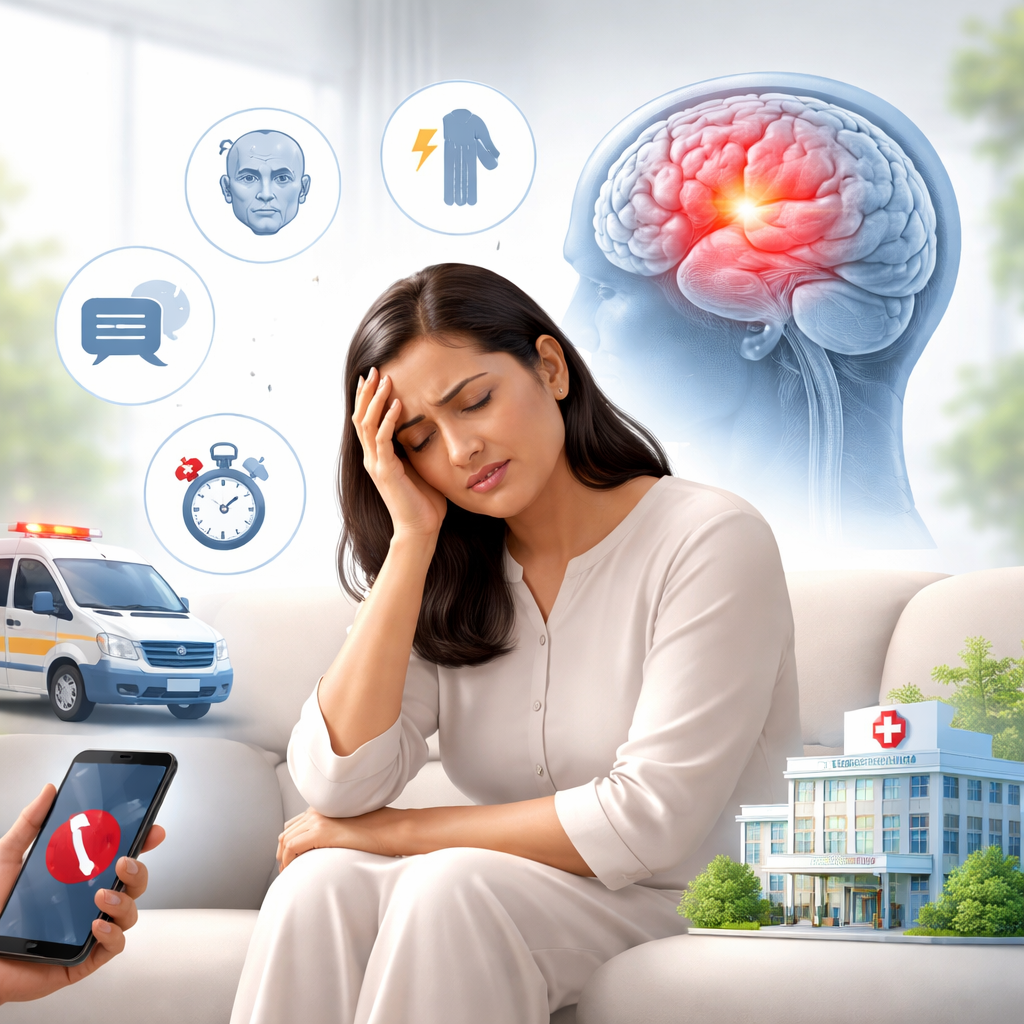
A stroke is a medical emergency that demands immediate attention as it directly affects the brain's functionality. Recognizing the symptoms early can significantly improve treatment outcomes. The primary types of strokes, ischemic and hemorrhagic, present varied symptoms, but share critical early warning signs. One must lookout for sudden numbness or weakness, especially if it affects one side of the body. Another key symptom includes confusion or trouble speaking and understanding speech, which indicates the brain is not receiving adequate blood flow. An individual might also experience visual disturbances, such as blurred or blackened vision, particularly in one eye. Severe headache, dizziness, or loss of balance are also common signs that should not be ignored. Recognizing these symptoms swiftly can be life-saving. At Khushi Hospital, our medical professionals are trained to ha
ndle such medical emergencies rapidly and efficiently, optimizing the chances of better recovery. Time is of the essence, hence the well-known acronym FAST: Face drooping, Arm weakness, Speech difficulty, and Time to call medical help. These indicators play a crucial role in assessing the need for immediate intervention. Being informed about these stroke symptoms empowers individuals to act decisively and seek urgent medical care.

The Importance of Immediate Medical Attention for Strokes in Kalewadi

Immediate medical intervention in the event of a stroke can dramatically reduce the risk of long-term damage. The brain requires continuous oxygen supply, and any interruption can lead to irreversible consequences. Thus, understanding that a stroke is a critical health emergency is vital. People who receive treatment within the first few hours of symptoms have a vastly improved prognosis. Thrombolytic medications are effective in restoring blood flow and minimizing brain damage when administered promptly. Time-sensitive neurological assessments are vital, as they assist in quickly distinguishing the type of stroke, ensuring precise treatment. The initial hours following the onset of symptoms are crucial, and delaying medical care can lead to severe impairment. At Khushi Hospital, our specialists utilize advanced diagnostic tools and imaging techniques to evaluate and treat
stroke emergencies effectively. It is essential for caregivers and loved ones to remain calm and prioritize swift entry into healthcare systems. Our medical team is dedicated to managing and rehabilitating patients effectively, employing evidence-based protocols to ensure optimal recovery. Never underestimate the importance of speed; quick action can preserve brain function and enhance life quality post-stroke.

Recognizing Less Common but Critical Stroke Symptoms in Kalewadi

While the acronym FAST helps identify common symptoms of strokes, there are additional signs that can signal a stroke occurring. For instance, a sudden loss of coordination where one struggles to walk or perform basic movements necessitates urgent attention. The onset of a severe headache often described as the worst headache of one's life can point towards a hemorrhagic stroke. Further, experiencing nausea or vomiting, particularly paired with any other stroke symptoms, indicates immediate medical evaluation is necessary. Watch for unexplained fatigue that sets in rapidly, as it might suggest a decrease in oxygen supply due to compromised blood flow in the brain. Additionally, sudden emotional changes, such as unexplained irritability or confusion, can manifest when the brain is under duress. Every minute counts, and disregarding these warning signs can lead to dire consequences.
At Khushi Hospital, our healthcare team is equipped to swiftly address any array of symptoms associated with strokes, ensuring that you or your loved one receives the best care possible. Our expertise and dedicated resources are designed to offer comprehensive care dealing with such brain emergencies. Trust in our capability to handle these critical situations with utmost care and precision.

Taking Preventive Measures and Seeking Timely Care in Kalewadi

Preventing a stroke involves understanding risk factors and committing to a healthier lifestyle. Factors such as hypertension, diabetes, high cholesterol, and smoking significantly increase stroke risk. Implementing preventive measures like engaging in regular physical activity, maintaining a balanced diet, and managing stress contribute to lowering these risks. Regular medical check-ups can catch potential issues early, allowing for intervention before a stroke occurs. Khushi Hospital offers various healthcare services to support patients in maintaining overall health and wellness. Another vital aspect is medication adherence for those with pre-existing conditions; taking prescribed medicines as advised by a healthcare provider prevents exacerbation of risky factors. Moreover, awareness campaigns by healthcare professionals help disseminate knowledge about strokes to at-ri
sk groups. Recognizing personal risk factors can motivate proactive health management and minimize stroke occurrences. Our hospital's commitment extends beyond treatment – we emphasize education and prevention as core aspects of our services. Timely intervention along with awareness can save lives, emphasizing the importance of quick response. Should you suspect a stroke, act immediately and visit Khushi Hospital for comprehensive care and expert treatment.

Frequently Asked Questions

What are the most common symptoms of a stroke?
The most common stroke symptoms include sudden numbness or weakness in one side of the body, confusion, trouble speaking, and difficulty understanding speech. Other signs include vision problems, severe headache, and dizziness. Knowing these signs can help you act quickly and seek immediate care at places like Khushi Hospital.
Why is time crucial when dealing with a stroke?
Time is critical during a stroke because the quicker you get medical help, the better the chances of minimizing brain damage. Early treatment with thrombolytic medications can restore blood flow and reduce long-term effects. It's essential to visit medical facilities like Khushi Hospital as soon as symptoms appear.
How can I prevent a stroke?
Preventing a stroke involves managing risk factors such as high blood pressure, diabetes, and high cholesterol while avoiding smoking. Regular exercise and a healthy diet are also key. Khushi Hospital provides resources and support to help you maintain a healthy lifestyle and prevent strokes.
What should I do if I think someone is having a stroke?
If someone displays stroke symptoms like sudden numbness or confusion, call emergency services immediately. Ensure they're seated safely while help arrives. Prompt medical evaluation is vital, and facilities like Khushi Hospital are equipped to handle emergencies effectively and swiftly.
Are there long-term treatments for stroke survivors?
Yes, stroke survivors often undergo rehabilitation that can include physical therapy, speech therapy, and occupational therapy. These treatments focus on regaining mobility and improving quality of life. Khushi Hospital offers comprehensive post-stroke care as part of their commitment to patient recovery.
Call Us Now
Chat With Us